UBT’s International Conference “Inclusive Horizons” Focused on Education, Language, and Culture in the Age of Artificial Intelligence
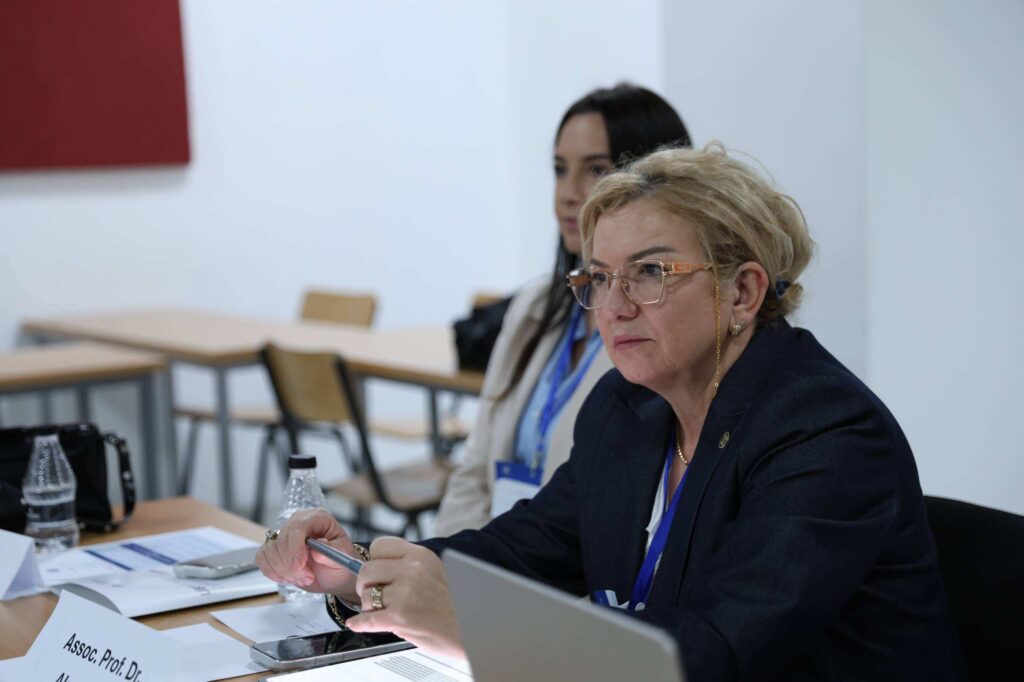
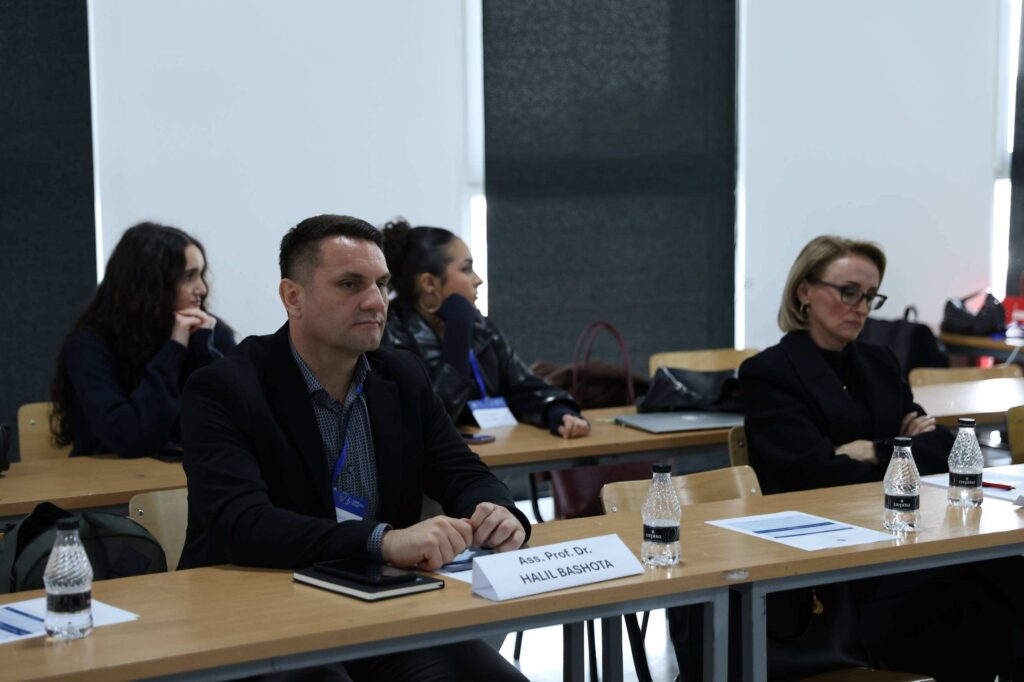
27/10/2026The international scientific conference “Inclusive Horizons: Education, Language and Culture in the Age of AI” brought together researchers, professors, and academics to discuss the challenges and perspectives of education, language, and culture in the age of artificial intelligence. Through scientific presentations and the exchange of academic experiences, the conference encouraged discussion on the use of artificial intelligence in teaching and learning, student inclusion and motivation, foreign language teaching, and the relationship between language, culture, and identity in an increasingly digitalized society.
The programme covered a wide range of topics related to innovation in education, emotional intelligence, multilingual learning, literature, critical thinking, and the role of technology in creating equal opportunities for all pupils and students.
Session I – Education, Learning, and Innovative Approaches
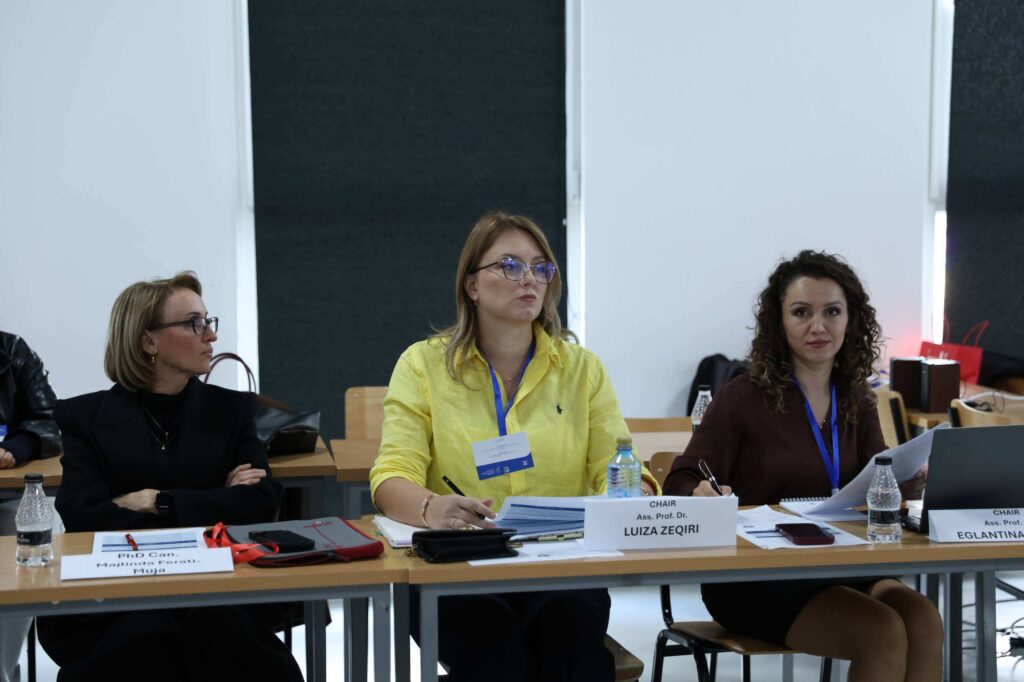
Session Chairs: Asst. Prof. Eglantina Bilalli and Asst. Prof. Luiza Zeqiri
- Lulzim Thaçi – Generative Artificial Intelligence Use in Learning Among Students in Grades 8–12 (Awareness, Use, and Purposes of Use).
- Krenare Hoti – The Role of Emotional Intelligence in Students’ Academic Performance: A Systematic Literature Review.
- Syzanë Merovci, Biljana Cvetkova Dimov, and Alma Lama – Opening the Kindergarten Gates: Teachers’ Views on Outdoor Learning.
- Dafina Zulfaj – The Effects of Differentiated Instruction on Student Achievement and Motivation in EFL Classrooms: Evidence from a High School in Malisheva, Kosovo.
- Lothar Tchapka – Unveiling a Conductor’s Murky Past: The Character of Wellauer in Donna Leon’s Death at La Fenice.
- Shqipe Daku – Learning Affordances in Higher Education EFL: A Relational Model and University Students’ Perceptions.
Session II – Language, Culture, and Artificial Intelligence
Session Chairs: Asst. Prof. Luiza Zeqiri and Prof. Eglantina Bilalli
- Donjete Latifaj and Paul Rutter – The Effectiveness of Bilingual AI-Generated Corrective Feedback among Young EFL Learners in Kamenica, Kosovo: A Pilot Study.
- Luiza Zeqiri – An Analysis of Student Retention and Attrition: Undergraduate Students’ Interpretations.
- Authors not specified in the programme material – English-Related Vocabulary in German as a Foreign Language: Anglicisms, Internationalisms and Plurilingual Comprehension in Ein tolles Team A1.
- Halil Bashota – Revisiting William Carlos Williams: An Eco-critical Reading of His Poetry.
- Lisjeta Thaqi Jashari and Rina Sefiu – One Classroom, Different Learners: Can AI Help Us Reach Them All?
- Kadri Krasniqi and Eglantina Bilalli – Cultural Influences on EFL Learning: A Mixed-Methods Study of University Students in Kosovo.
- Eglantina Bilalli and Kadri Krasniqi – Language, Culture, and Identity in the Digital Age: Multilingual Practices in Kosovo and the Balkans.
- Alma Lama, Duli Pllana, and Jose Marti – Thinking Beyond the Prompt: Critical Judgment, Creative Voice and Student Agency in AI-Supported Higher Education.
The conference represented an important opportunity for academic dialogue and interdisciplinary collaboration, highlighting the need for inclusive education, the development of linguistic and cultural competencies, and the responsible and creative use of artificial intelligence in teaching and scientific research.